

If Australian Beef Cuts Could Talk: What They’d Tell Chefs About Cooking Them Right

Every cut of Australian beef has a personality.
Some are bold and showy, some are patient and complex, others are wildly misunderstood.
If beef cuts could talk, they’d have a few strong opinions about how they’re treated in the kitchen—and a few gentle reminders about how to bring out their best.
Here’s what Australia’s most popular beef cuts would tell chefs if they finally got a voice.
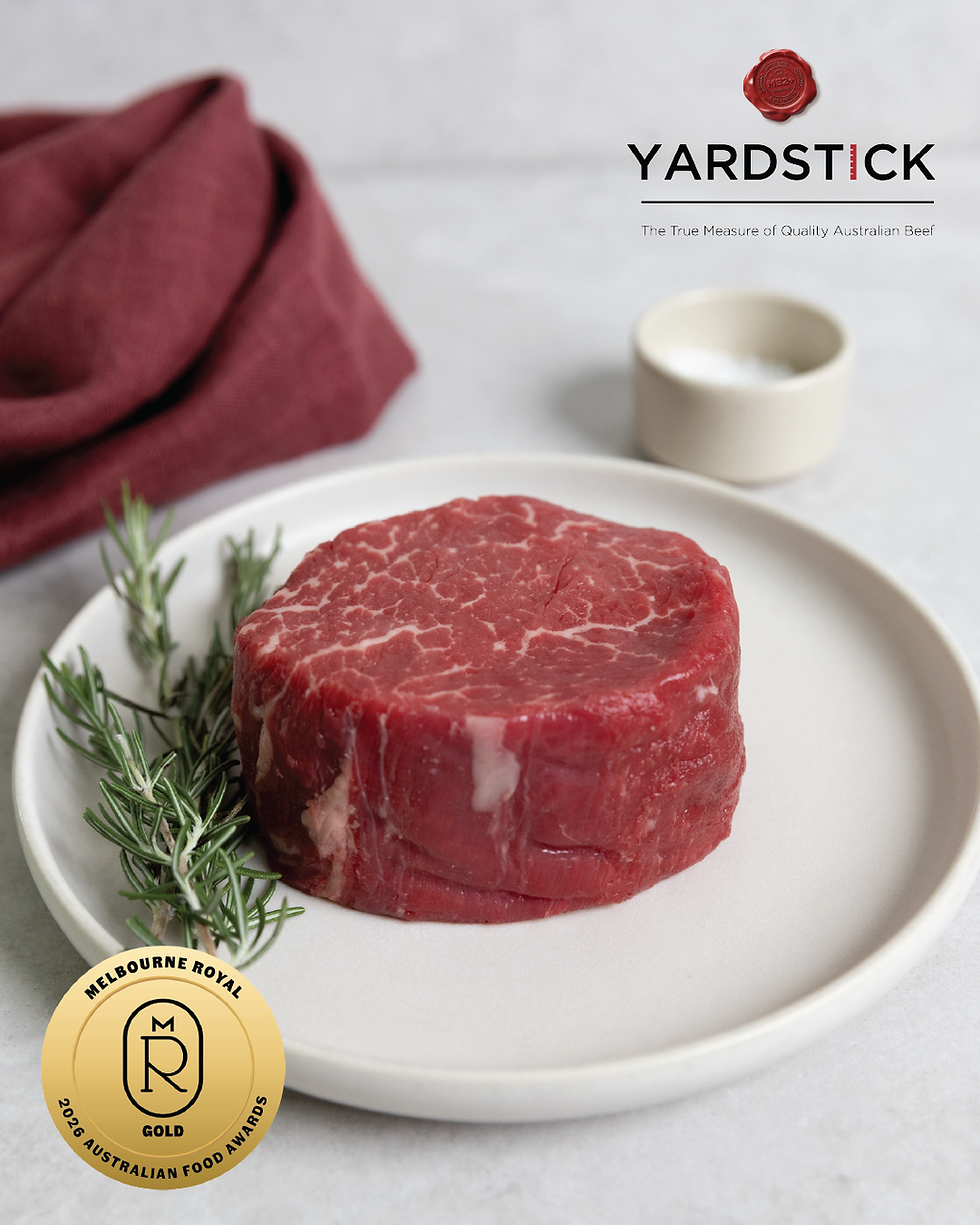
Eye Fillet: “Please Don’t Overthink Me”
“I’m tender. Naturally. You don’t need to bully me with marinades or cook me to oblivion.”
Eye fillet is the introvert of the beef world—subtle, refined and all about texture. It thrives on:
High heat, short cook times
Simple seasoning (salt, pepper, butter)
Medium-rare to medium at most
This cut shines when chefs let the beef do the talking. Overcooking is its greatest fear.
Ribeye: “Fat Is the Flavour—Use It”
“I come with marbling for a reason.”
Ribeye is confident, rich and forgiving. That intramuscular fat isn’t decoration—it’s the flavour engine.
Best advice from ribeye:
Cook hot and fast to render the fat
Rest properly to keep juices locked in
Don’t trim the good stuff away
This is the cut that rewards bold heat and respect for fat.
Rump: “I’m Not Tough—I’m Just Honest”
“I’ve got flavour for days. Treat me right and I’ll love you back.”
Rump is a chef’s workhorse—versatile, affordable and deeply beefy. But it demands a little know-how.
Rump’s rules:
Slice against the grain
Avoid overcooking
Give me a quick rest before serving
Handled well, rump punches well above its weight on menus.
Brisket: “Patience Is Non-Negotiable”
“I’m not slow food by accident.”
Brisket is the long-game specialist. It’s tough until it isn’t—and then it’s magic.
What brisket begs for:
Low and slow cooking
Moist heat or controlled smoking
Time to break down connective tissue
Rush brisket and it will fight back. Respect the process and it becomes unforgettable.
Chuck / Blade: “I Was Made for Braising”
“Stop trying to grill me. I’m begging you.”
Chuck and blade cuts are rich in collagen and flavour, which means they’re perfect for:
Slow braises
Stews and ragùs
Pulled beef and comfort dishes
These cuts reward time, liquid and gentle heat with deep, complex flavour that premium cuts simply can’t match.
Flank & Skirt: “Slice Me Wrong and I’ll Ruin Your Day”
“I’m thin, fast-cooking, and extremely particular.”
Flank and skirt are all about grain awareness. Cook them quickly, rest briefly and slice thinly across the grain.
They’re ideal for:
High-heat grilling
Fajitas and stir-fries
Big flavour, fast service
Handled correctly, they deliver intensity and texture chefs love.
Short Ribs: “I’m Built for Indulgence”
“I’m not here to be light.”
Short ribs are rich, decadent and unapologetic. They want:
Long, slow cooking
Plenty of moisture
Big, bold flavours
When done right, they’re menu heroes—deeply savoury and luxuriously tender.
What Australian Beef Really Wants Chefs to Know
Across all cuts, Australian beef would agree on a few universal truths:
Understand the muscle – how it worked on the animal tells you how it wants to be cooked
Match the method to the cut – grill, braise, roast or smoke with intention
Don’t fight the beef – lean into what each cut does best
Australian beef is globally respected for a reason: quality genetics, responsible production and consistent performance in professional kitchens.
Final Word from the Beef
“Know me, respect me, and I’ll make you look very good on the plate.”
When chefs listen to what each cut is telling them, food costs improve, menus get stronger, and diners notice. Because great cooking isn’t about forcing beef to behave—it’s about letting it shine exactly as it was meant to.
For the best in Australian wholesale beef contact us for a solution tailored to your food service requirements.