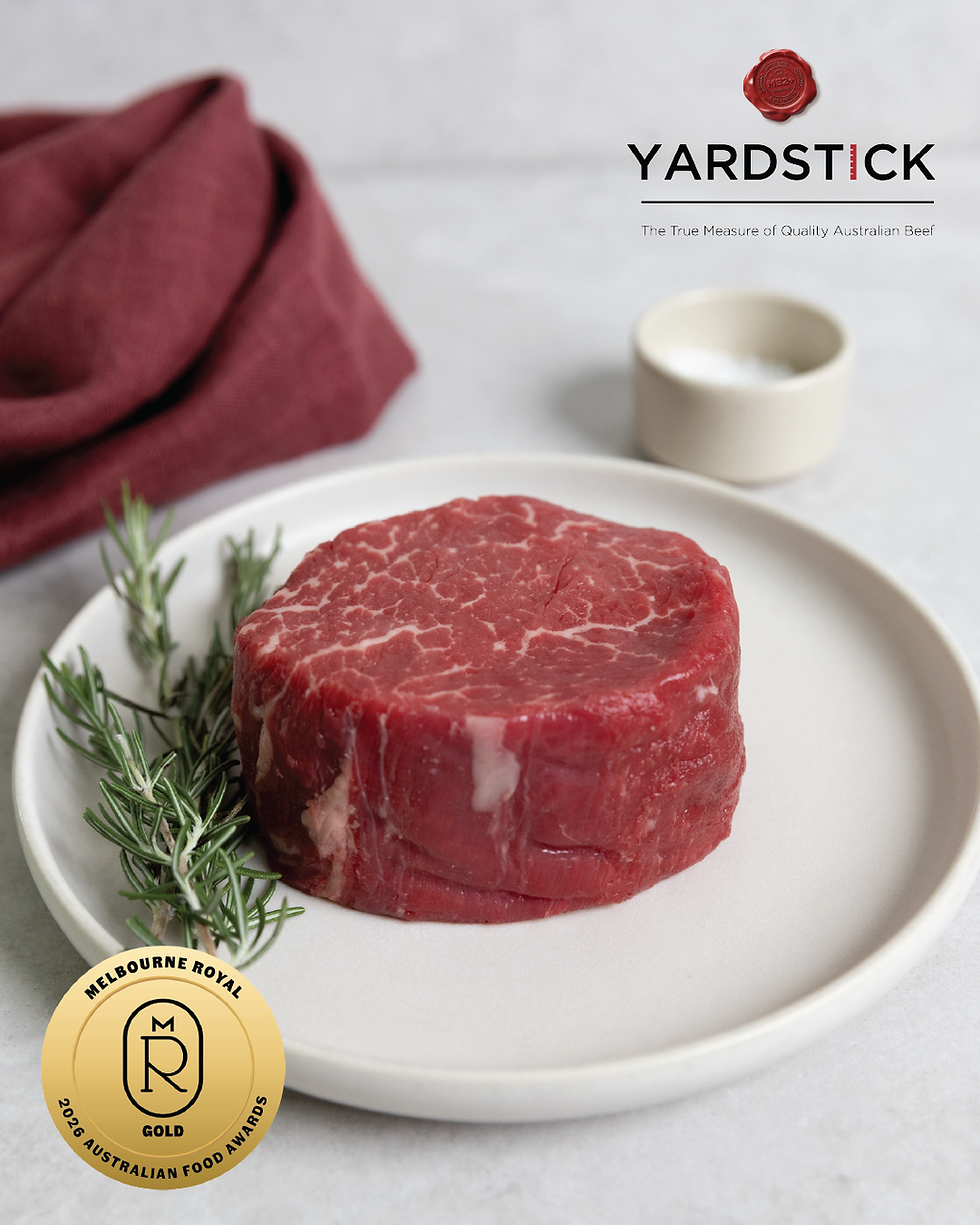


How Australian Beef Farming Impacts Menu Quality - From Paddock to Plate:

Every beef dish served in a professional kitchen carries a history that starts well beyond the back door of the restaurant.
Long before a chef selects a cut or decides on a cooking method, the foundations of flavour, texture, and yield have already been shaped by Australian farming practices.
Australian beef farming is defined by space, climate diversity and strict production standards.
Cattle are raised across vast grazing lands, allowing for natural movement, lower stress levels and strong muscle development. These conditions play a critical role in how beef eats on the plate — influencing tenderness, flavour clarity and moisture retention during cooking.
For chefs, this matters because consistency is everything. Beef that has been responsibly raised and properly finished behaves predictably in a commercial kitchen.
It trims cleanly, cooks evenly, and delivers reliable results whether it’s being grilled during a busy dinner service or slow-cooked overnight for the next day’s prep.
Australian farming systems also offer flexibility.
Grass-fed programs support leaner cuts with bold beef flavour, while grain-finished cattle deliver enhanced marbling and tenderness.
This range allows chefs to align sourcing decisions with menu intent, price point and cooking style without compromising quality.
Understanding the paddock-to-plate journey helps food service professionals make smarter purchasing decisions. It reinforces confidence in supply, strengthens menu storytelling, and ensures that what arrives on the plate reflects both culinary skill and farming integrity.
Contact our Australian beef specialists for a plan to bring quality to your menu at wholesale prices.