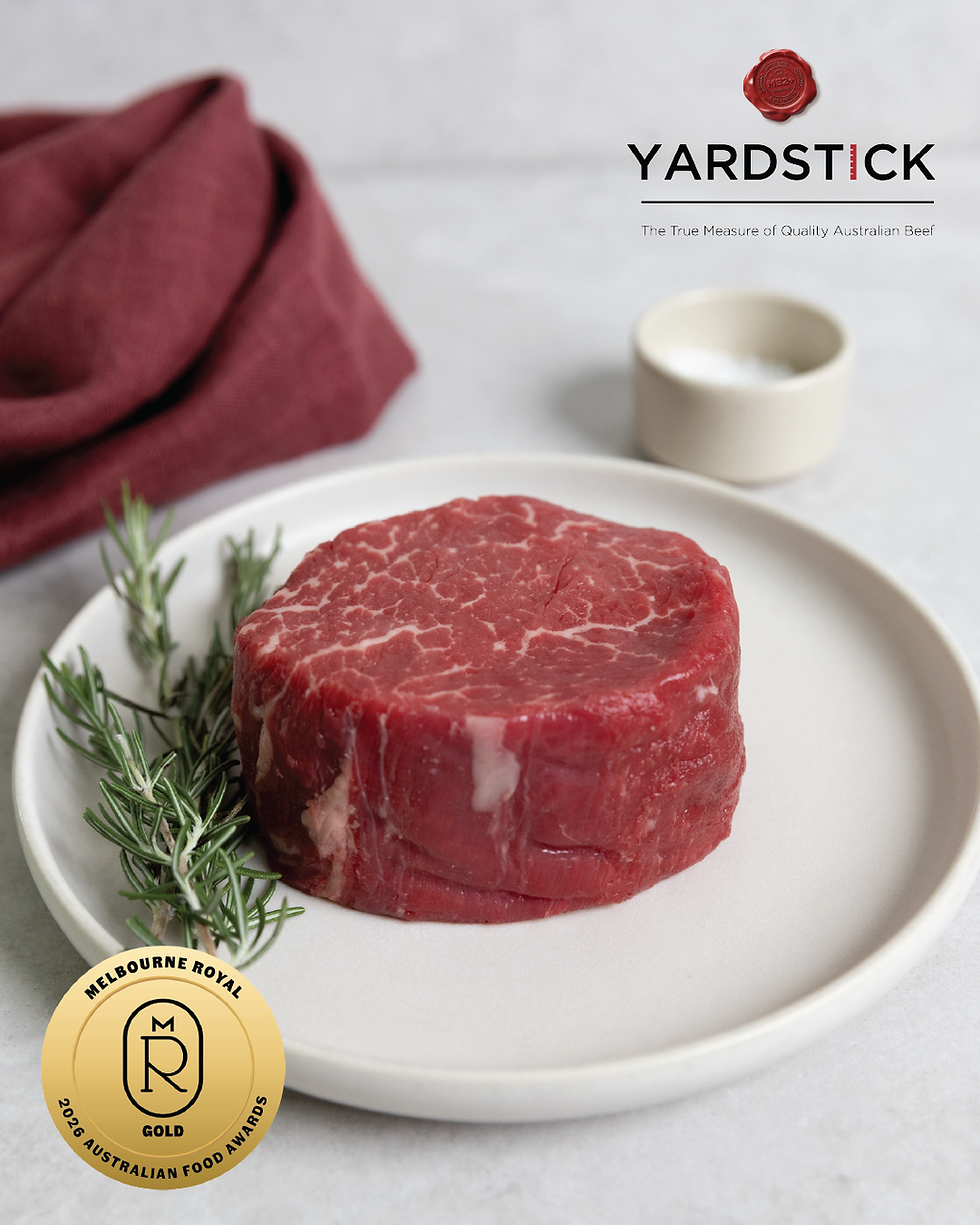


Why Southeast Asian Distributors Choose Australian Beef for Premium Foodservice

There's a conversation that plays out in hotel procurement offices and restaurant group boardrooms across Southeast Asia more often than most people realise. A distributor has just lost a contract — not because their pricing was wrong, not because they were slow to respond, but because the beef they supplied didn't match the spec. The portion weights were inconsistent. The marble score on the Wagyu was off. The hotel's executive chef complained, the F&B manager escalated it, and the relationship was gone.
Premium foodservice buyers in Southeast Asia are not forgiving clients. They're serving guests who are paying serious money for a dining experience, and protein quality is where that experience either holds up or falls apart.
For distributors supplying hotels, fine dining restaurants, and high-volume hospitality groups across Singapore, Vietnam, Thailand, and beyond, the sourcing decision carries real professional risk. And that's exactly why Australian beef has become the default answer for operators who can't afford to get it wrong.
What follows is a breakdown of why that preference exists, what it means for your business as a distributor, and how to find the right supplier to back it up.
Why Southeast Asian Foodservice Distributors Prefer Australian Beef
Southeast Asian foodservice distributors prefer Australian beef because it combines food safety compliance, supply chain reliability and consistent grade quality — making it the lowest-risk premium protein source available to the region.
Food safety standards — among the most stringent globally, with full traceability from paddock to port
Grass-fed and grain-fed range — suits everything from casual dining through to high-end hotel menus
Geographic proximity — enables reliable chilled and frozen delivery schedules across Southeast Asia
Competitive premium positioning — strong value relative to US or European beef, supported by existing trade agreements
Consistent portioning and grading — pre-portioned, spec-matched supply reduces kitchen labour and waste
The Southeast Asian Premium Foodservice Market Is Demanding More
Why Hotel and Restaurant Buyers Are Raising the Bar
The middle class across Southeast Asia has grown significantly over the past decade, and with it, the expectation of what a premium dining experience should look like. Hotel restaurants, fine dining groups and upscale casual concepts are competing harder than ever for guests who have eaten well in London, Tokyo and New York — and who know the difference between a well-sourced scotch fillet and a generic one.
That pressure flows directly to distributors. Where a hotel F&B manager might once have accepted a reasonable approximation of their spec, they're now holding suppliers to tighter standards — consistent marble scores, accurate portion weights, reliable delivery windows and provenance documentation they can put in front of an auditor or a guest.
The Problem With Generic Supply Chains
Generic supply chains aren't built to meet those standards. Inconsistent grading from one shipment to the next, delivery schedules that slip without notice, and a near-total absence of traceability documentation — these are the failure points that cost distributors their contracts.
A distributor who can't guarantee their hotel client a 250g grain-fed rump that actually weighs 250g, every single week, is a distributor whose position is always under threat. And when the protein is the centrepiece of the menu, there's no hiding behind anything else.
What Makes Australian Beef the Preferred Choice for Premium Foodservice

World-Class Food Safety and Traceability Standards
Australia's export compliance framework — overseen by the Department of Agriculture, Fisheries and Forestry — means every consignment leaving an accredited facility has been inspected, verified and certified to standards that satisfy even the most demanding importing markets. Meat & Livestock Australia publishes detailed export compliance data that distributors can reference directly when satisfying client or regulatory requirements.
Grass-Fed and Grain-Fed Options — One Supplier, Every Menu
One of the structural advantages Australian beef offers distributors is range. Grass-fed beef suits health-conscious menus and provenance-focused dining concepts where the story of the product is part of what's being sold. Grain-fed delivers the marbling consistency and yield predictability that high-volume hotel kitchens depend on. And for ultra-premium applications — tasting menus, signature steakhouse programmes and high-end banquet events — Australian Wagyu with documented marble scores gives chefs something they can confidently put in front of a paying guest.
Cut Type | Marble Score | Best Menu Application | Price Tier | Ideal Client |
Grass-Fed | Low | Health-focused, provenance menus | Mid | Casual dining, wellness hotels |
Grain-Fed | Medium | Bistro, hotel all-day dining | Mid-Premium | Hotel groups, restaurant chains |
Wagyu | High (7–9+) | Fine dining, signature steakhouse | Premium | 5-star hotels, tasting menus |
Geographic Proximity — The Logistics Advantage Competitors Can't Match
Queensland sits closer to Southeast Asia than any other major beef-producing region in the world. Shipping from Brisbane to Singapore runs approximately 10–14 days. To Kuala Lumpur, Jakarta and Manila, transit times are comparable — short enough to support chilled supply programmes that arrive with meaningful remaining shelf life, and reliable enough to build delivery schedules around.
That proximity reduces cold chain risk at every point. Less time in transit means less exposure to temperature variance, less pressure on packaging integrity and more flexibility in delivery scheduling. US and European beef simply can't compete on this dimension — and for distributors whose hotel clients are planning menus two weeks out, that reliability is a commercial advantage they can sell.
The Business Case for Australian Beef — What Distributors Actually Gain
Consistent Grading Means Consistent Menus
A hotel executive chef running a 300-cover steakhouse programme cannot afford variability. When a 250g scotch fillet is on the menu at a set price point, it needs to be 250g every single time — not 230g one week and 270g the next. Portion inconsistency isn't just a kitchen headache. It flows directly into food cost calculations, guest complaints and eventually, contract reviews.
Australian grading standards remove that variable. When a distributor supplies pre-portioned, spec-matched Australian beef, they're not just delivering protein — they're delivering predictability. And for the F&B manager trying to hold a food cost percentage in a rising-cost environment, predictability is exactly what keeps a supplier relationship intact.
Pre-Portioned Supply Reduces Kitchen Labour Across the Supply Chain
The labour saving from pre-portioned supply doesn't stop at the distributor's warehouse. It cascades down to every kitchen being served. A hotel kitchen receiving whole primals and portioning in-house is spending upwards of 10 hours per week on prep work that a good supplier should be absorbing before the product ever leaves the facility.
When distributors supply vacuum-sealed, ready-to-cook cuts that arrive bench-ready, they're giving their clients something they can actually quantify — hours returned to the kitchen team, consistency guaranteed, and waste reduced.
Pricing Transparency and Supply Reliability Protect Distributor Margins
Nothing damages a distributor's client relationship faster than a surprise price spike they didn't see coming. When a supplier increases invoice prices without notice, the distributor is left absorbing the margin hit or having an uncomfortable conversation with a hotel procurement manager who quoted a menu price three months ago based on numbers that no longer apply.
Australian suppliers with stable pricing frameworks and proactive market communications give distributors the forward visibility they need to quote confidently. When a distributor knows what their beef is going to cost in six weeks, they can price their client contracts accordingly — and protect the margin that makes the business worth running.
How to Choose the Right Australian Beef Exporter for Your Foodservice Operation

The Five Criteria Every Distributor Should Evaluate
Not every Australian beef supplier is equipped to serve a Southeast Asian foodservice distributor well. The export supply chain has specific requirements, and a supplier who performs well domestically may not have the accreditation, capability or communication infrastructure to support an international distribution relationship. Before committing to a supplier, evaluate them against these five criteria:
Export accreditation and compliance documentation — Can they provide full export certification and traceability documentation for every consignment, on request?
Portioning and custom cut capability — Can they portion to your exact spec, vacuum-seal to export standard, and maintain consistency across high-volume orders?
Minimum order volumes and delivery frequency — Do their minimums work for your market size, and can they support the delivery cadence your customers depend on?
Dedicated account management and proactive communication — Will you have a single point of contact who gives you advance notice of pricing movements, availability changes, and anything else that affects your forward planning?
Why Australian Suppliers Offer a Unique Advantage
Queensland is Australia's largest beef-producing state, accounting for a significant share of national beef production and export volume. That scale matters. A Queensland-based supplier with access to both grass-fed and grain-fed cattle at volume can fulfil the kind of orders that a smaller or more regionally constrained supplier simply can't.
Combined with direct access to Queensland's major export ports and the shortest shipping routes to Southeast Asia, a Queensland supplier isn't just a product source — they're a logistics advantage built into the supply chain from day one.
Ready to import Australia’s Best Aussie Beef into your country?
If you’re a high-volume foodservice organisation hotels, with hospitality operations across Southeast Asia, the right supplier conversation starts here. a La Carte Meats, Australia’s leading wholesale meat portioning and export company, delivers Australian beef for premium foodservice, helping you confirm export readiness, discuss custom portioning and cut specifications for your market, and provide clear pricing and minimum order details.
Call a La Carte Meats directly for the fastest response — or request a quote and we’ll provide everything you need to make a confident sourcing decision for your business.