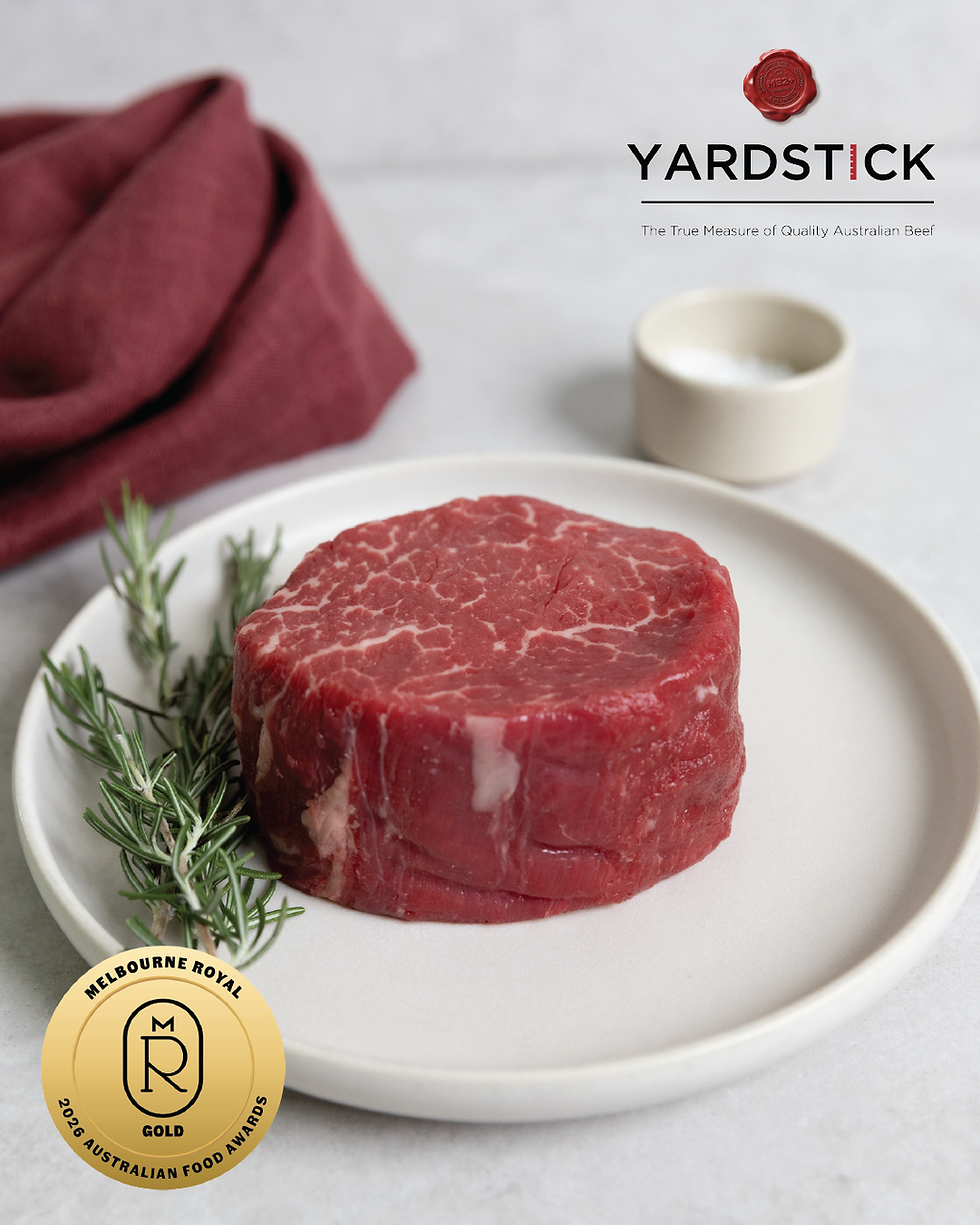


The Most Profitable Steak Cuts for High-Volume Pubs and Clubs

Steak is often one of the highest-revenue and highest gross-profit items on pub menus. The problem isn't the beef. It's the decision-making behind it. Most operators choose their steak cuts based only on what tastes good — not what performs in a high-volume kitchen under Friday night pressure. And there's a real difference between those two things.
This guide breaks down the most profitable steak cuts for pubs and clubs from a purely operational standpoint. Not a flavour comparison. A practical look at yield percentages, trim loss, cook consistency, margin flexibility and supply reliability — the numbers that impact operating margin in your weekly food cost report.
Here's what we'll cover: why steak still anchors pub revenue, what makes a cut genuinely profitable at volume, how rump, sirloin and scotch fillet compare as business decisions and how portion control and supplier choice can make or break your steak program.
Why Steak Still Drives Pub Revenue
A steak typically commands $28–$45 on a pub menu. A schnitzel sits at $18–$24. Even at similar food cost percentages, steak can generate higher gross profit dollars per cover. That gap adds up fast across a full Saturday service.
Beyond the ticket price, steak shapes how customers feel about your kitchen. It's the dish people talk about, review on Google and come back for. Steak is often treated as a signature menu item and can strongly influence customer perception of kitchen quality.
There's also an anchor pricing effect worth understanding. When steak sits at the top of your menu, it pulls the average spend across the table — sides, sauces, a second round of drinks. The premium item doesn't just sell itself; it sells the rest of the menu with it.
Pubs that own their steak program own their reputation.
What Makes a Steak Cut Profitable in High-Volume Pubs and Clubs
Price per kilogram is where most operators start. It's also where most operators stop — and that's where margin leakage begins.

Yield Percentage
Yield is the usable meat after trimming fat and sinew. A cut priced at $18/kg with 70% yield costs you $25.70/kg of usable beef. A cut at $22/kg with 85% yield costs $25.88/kg. The cheaper cut isn't cheaper at all. According to Meat & Livestock Australia, yield and cut performance vary significantly depending on primal selection and trimming standards.
Trim Loss
Inconsistent trimming by kitchen staff creates inconsistent food cost. One cook trims conservatively, another is heavy-handed. By the way, pre-portioned meat cuts remove that variable before it ever reaches your kitchen.
Cook Consistency
Thickness consistency directly affects cook time. In a rush service, a cut that's 5mm thicker than usual means a longer ticket time, a backed-up pass and a customer sending it back overcooked.
Portion Control
Every gram over your target weight is margin walking out the door. At 50 covers a night, even 20g of over-portioning per plate adds up to real money by the end of the week.
Supply Reliability
The most profitable cut on paper is worthless if your supplier can't deliver it to spec every week. Consistency starts with your supply chain, not your grill.
Aligning Steak Cut Choice With Your Menu Positioning
Choosing the right cut isn't just an operational decision — it's a menu strategy decision. The cut you lead with signals something to your customer before they've taken a bite.
Value-driven venues — lead with Rump. If your bistro competes on price and volume, rump is your steak. Rump generally performs reliably in high-volume service when properly sourced and portioned. Dress it well — a house-made sauce, proper chips, a clean presentation — and rump delivers strong perceived value relative to cost.
Mid-tier repositioning — move to Sirloin. If you're lifting your bistro offer — new fitout, updated menu, chasing the Friday night dining crowd rather than just the counter meal trade — sirloin signals that shift without blowing your food cost. It's a named cut customers recognise and respect. It gives your floor staff something to talk about when they're recommending the menu.
Premium upsell anchor — place Scotch Fillet at the top. Every menu needs a ceiling. Scotch fillet sets it. Even if only 20% of your covers order it, its presence on the menu lifts the perceived quality of everything below it. It's your anchor — the cut that makes the rump look like great value and the sirloin look like a smart choice. When portioned correctly and priced at a premium weekend price point, scotch fillet can generate strong gross profit dollars per plate when priced appropriately.
Steak Cuts for Pubs and Clubs: Rump vs Sirloin vs Scotch Fillet (Operational Comparison)
This isn't a taste test. It's a business decision framework.
Rump | Sirloin | Scotch Fillet | |
Cost Per Kg | Lowest | Mid | Highest |
Typical Portion | 250–350g | 200–280g | 200–300g |
Yield % | High | High | High |
Trim Loss | Low | Low–Moderate | Low |
Cook Consistency | High | High | Very High |
Margin Flexibility | High | Moderate | Lower |
Best Use Case | Value bistro, weekly special | Mid-tier menu | Premium or weekend offer |
Customer Perception | Great value | Quality cut | Premium experience |
When to Use Rump
Rump is the workhorse of the pub kitchen. It's forgiving to cook, easy to portion and carries strong margin at volume. For a high-volume bistro running a value steak offer, it's hard to beat.
When to Use Sirloin
Sirloin can support a premium menu position while remaining commercially viable at typical pub price points. It's the right call when you're repositioning your bistro or adding a named cut that signals quality to the customer.
When to Use Scotch Fillet
Reserve scotch fillet for premium positioning — a weekend special, a signature dish or an event menu. A higher selling price can offset the increased cost per kilogram when the cut is properly portioned and positioned as a premium item.
How Pre-Portioned Cuts Turn a Good Steak Into a Repeatable System
The best cut on paper falls apart in execution if your kitchen can't deliver it consistently at pace — especially across a Friday and Saturday double.
Pre-portioned cuts aren't just about saving grams. They're about removing a variable your kitchen shouldn't have to manage mid-service. When every cut arrives at the same weight, same thickness and same trim spec, your cook times become predictable, your plating gets faster and your floor staff stop fielding complaints about overdone steaks.
There's a scalability angle here too. What works for one venue needs to work for three. That only happens when the product is standardised before it hits your kitchen.
A consistent steak program starts before the grill is lit — it starts with how your beef arrives.
Choosing a Steak Supplier That Supports Volume Growth
When you're reviewing your beef supplier, price is one line item. These are the others worth asking about.
Custom spec supply — Your supplier should cut to your exact portion weight, trim spec and pack configuration. One-size-fits-all doesn't work for a venue with specific menu commitments.
Week-to-week consistency — Ask any prospective supplier directly: "What is your tolerance variance on portion weight?" If they can't answer that question clearly, that's your answer.
Scalability — If you're moving towards multiple venues, your supplier needs to scale with you. Smaller operators often can't guarantee volume capacity across multiple sites.
Reviewing Your Steak Program for the Year Ahead?
If you’re planning a menu refresh, tightening food cost targets or preparing for a higher-volume season, now is the time to review how your steak program is performing — not just what it’s costing.
At a La Carte Meats, we work with Australian pubs and clubs to build portion-controlled steak programs aligned to real service conditions. That means cutting to your exact weight and trim spec, supporting forecast planning and delivering consistent product week after week — so your margins hold under pressure.
If you’re reassessing your beef supply or scaling into additional venues, speak with our team about designing a steak program built for volume, consistency and long-term profitability.