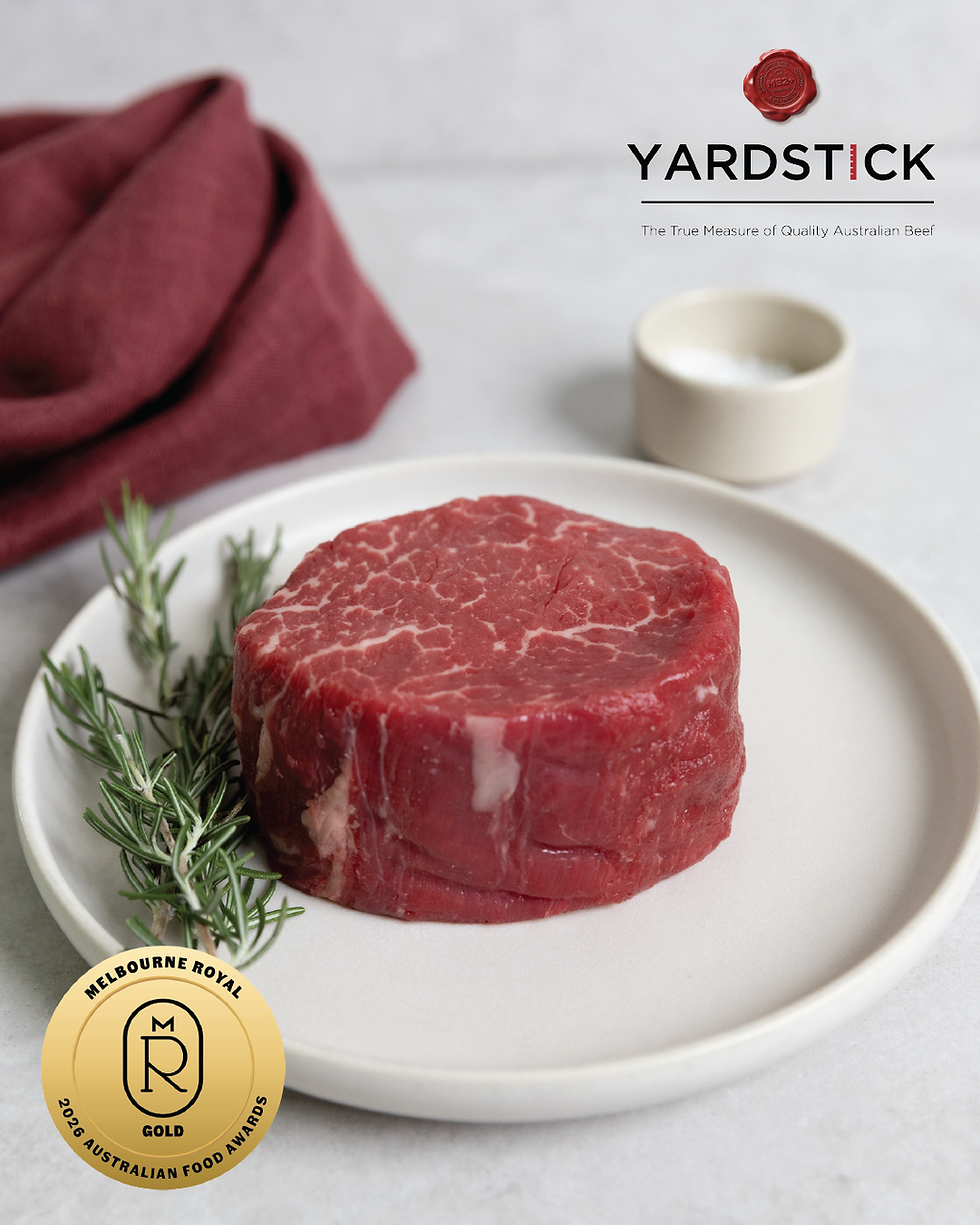


Grass-Fed Beef: Unveiling the Omega-3 Advantage
In recent years, there's been growing interest in the health benefits of grass-fed beef as an alternative to grain-fed options. One significant advantage that often stands out is the omega-3 fatty acid content in grass-fed beef. This post delves into why grass-fed beef is worth considering, its nutritional benefits, and practical tips for incorporating it into your diet.
Nutritional Grass-Fed Beef: A Quick Overview
Grass-fed beef comes from cattle that have been raised on a diet primarily consisting of grass and forage, unlike their grain-fed counterparts, which consume diets high in grains like corn. As a result, grass-fed beef offers a unique nutritional profile.
For instance, studies show that grass-fed beef may contain higher amounts of omega-3 fatty acids, antioxidants and vitamins compared to grain-fed beef. It also tends to be leaner, which can be beneficial for those looking to cut down on saturated fats.

Health Benefits of Grass-Fed Beef
Higher Omega-3 Fatty Acids
One of the most celebrated benefits of grass-fed beef is its elevated levels of omega-3 fatty acids. These essential fats are known for their anti-inflammatory properties, which can help reduce the risk of heart disease and improve brain health.
Research indicates that grass-fed beef can contain approximately three to five times more omega-3s than grain-fed beef. This is significant considering that most people consume insufficient omega-3s due to lower intakes of fatty fish and other sources. Including grass-fed beef in your diet can help bridge this gap.

Enhanced Nutritional Profile
Aside from omega-3s, grass-fed beef has a superior nutritional profile. It typically contains:
Conjugated Linoleic Acid (CLA): This fatty acid has been linked to various health benefits, including improved immunity and reduced body fat.
Vitamins A and E: Grass-fed beef is usually higher in these essential vitamins, crucial for vision, skin health, and antioxidative effects.
Antioxidants: Compounds like glutathione and superoxide dismutase are found in higher amounts in grass-fed beef, which help neutralise free radicals in the body.
These factors make grass-fed beef a more nourishing option compared to conventional beef.
Better Flavour
Many consumers report that grass-fed beef has a better flavour profile than grain-fed beef. The rich, earthy taste of grass-fed beef enhances various recipes and can elevate your culinary creations.
Tips for Choosing Quality Grass-Fed Beef
When shopping for grass-fed beef, it is essential to look for quality sources. Here are some tips to ensure you make the best choice:
Check Labels
Ensure that the meat is labeled "grass-fed" or "100% grass-fed." Phrases like "grass-finished" mean the cattle were fed grains at the end, which can alter the nutritional benefits.
Cooking Tips for Grass-Fed Beef
Cooking grass-fed beef requires some different techniques than grain-fed beef due to its lower fat content. Here are practical tips for preparing delicious grass-fed beef dishes:
Adjust Cooking Times
Grass-fed beef cooks faster than grain-fed beef. To avoid overcooking, you should reduce the cooking time by approximately 30%. Using a meat thermometer to confirm doneness can help retain juiciness.
Choose Appropriate Cuts
Some cuts of grass-fed beef can be tougher than their grain-fed alternatives. Opt for cuts such as ground beef, burgers or stew meat if you prefer a tender bite. Marinating tougher cuts can also help improve texture and flavour.
Allow for Resting
Once cooked, allow the beef to rest for a few minutes before slicing. This simple step helps redistribute the juices throughout the meat, ensuring a more flavourful and moist final product.
Incorporating Grass-Fed Beef into Your Diet
Incorporating grass-fed beef into your meal plan can be straightforward and rewarding. Here are several ideas to get you started:
Swap It In
When making familiar dishes, replace grain-fed beef with grass-fed options. For example, when you prepare chilli or spaghetti sauce, using grass-fed ground beef can elevate the nutritional content without compromising flavour.
Educate Yourself
Learn more about the production processes and benefits associated with grass-fed beef. The more you understand about your food sources, the easier it becomes to make informed choices.
The shift to grass-fed beef is not just a trend; it represents a choice for better health and sustainable practices. By making this switch, you contribute to a more ethical food system while boosting your overall well-being.
Contact us for all the grass-fed options and enjoy the journey of discovering the flavour, nutrition and benefits that grass-fed beef has to offer!