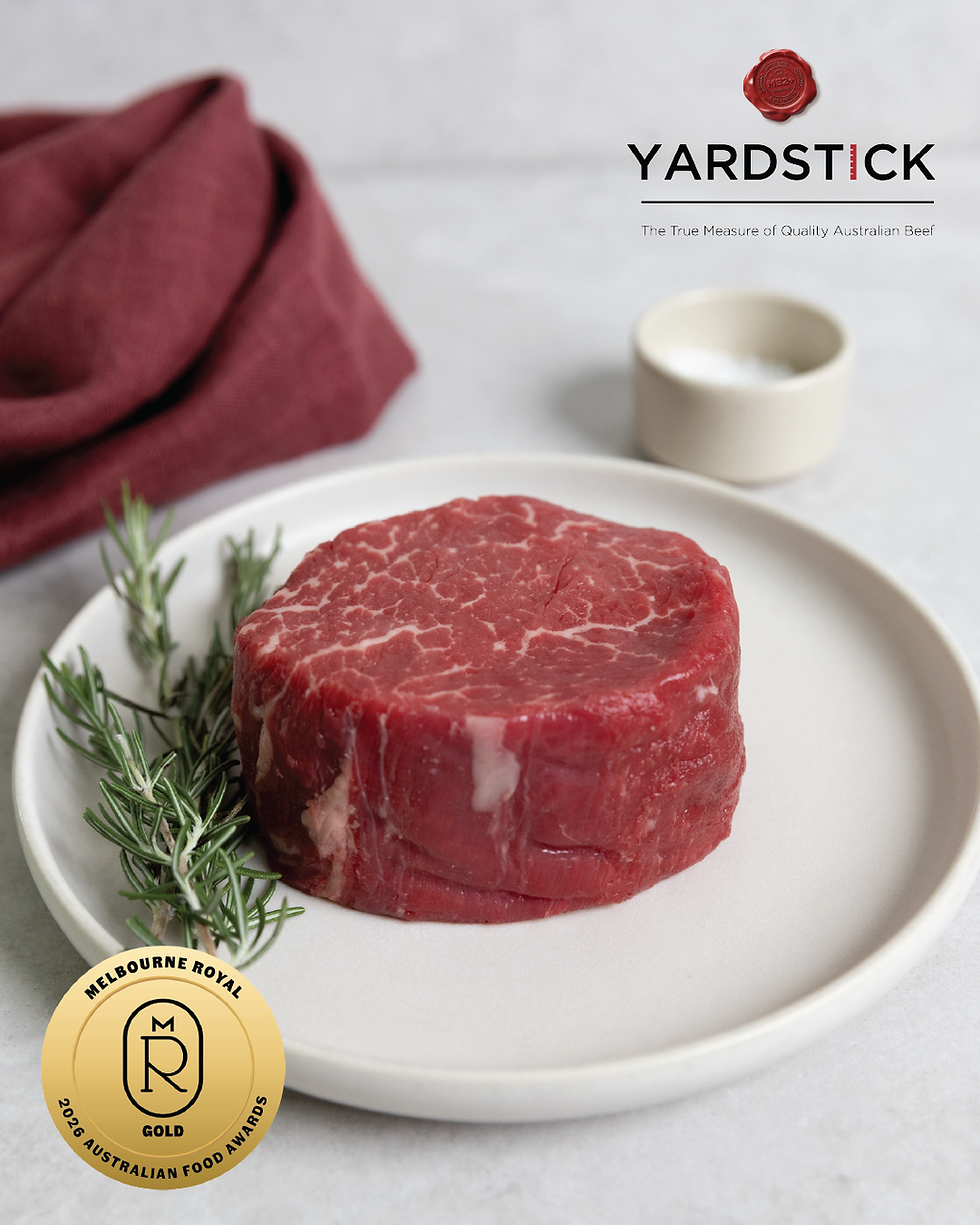


Beef Grading 101: Choosing Cuts That Impress Customers and Protect Your Margins

Every chef knows that great beef doesn’t just happen — it’s graded, selected and cooked with intent. Understanding Australian beef grading isn’t just about recognising quality; it’s about protecting your bottom line and ensuring that every steak leaving your kitchen delivers both profit and wow-factor.
Let’s break down the essentials so you can order — and menu plan — with total confidence.
What Beef Grading Really Means
Australia’s beef industry is one of the most trusted in the world, thanks to strict grading systems that ensure consistency and transparency. When you see MSA (Meat Standards Australia) or Wagyu marbling scores, they’re not just numbers — they’re your guide to flavour, tenderness and value.
The MSA system assesses beef on eating quality, taking into account factors like breed, age, muscle type, fat depth and marbling. Every cut is tested and scored to predict how tender, juicy and flavoursome it will be when cooked correctly. That means chefs can buy with confidence, knowing exactly what they’ll be serving.
Marbling — The Secret Ingredient
When chefs talk about “melt-in-your-mouth”, they’re really talking about marbling — those fine streaks of intramuscular fat that add juiciness and depth of flavour.
Australia’s marbling scale ranges roughly from MSA 2–9+, with higher numbers indicating more marbling and, typically a richer taste.
MSA 2–3: Lean, clean flavour — ideal for lighter dishes or cost-effective menu options.
MSA 4–6: Balance of tenderness and richness — great for premium bistro steaks.
MSA 7+ and Wagyu 8–9+: Exceptional luxury — buttery texture and indulgent mouthfeel, perfect for signature dishes.
Choosing the right marbling score is about menu strategy — not just prestige. A mid-range marbling cut can deliver a great customer experience while keeping food costs in check.
Smart Menu Planning: Quality Meets Margin
Not every dish needs to carry a Wagyu label. High-grade beef shines in small portions or hero dishes, while leaner cuts can offer incredible value with the right prep.
For example:
Wagyu rump cap for a premium share plate or feature dish.
Grass-fed sirloin for classic bistro-style menus where flavour meets affordability.
Slow-cooked brisket or chuck for high-yield comfort dishes with minimal waste.
The trick is matching cut, grade and cooking method to your menu position — premium where it counts, smart value everywhere else.
Why Source Matters
At à La Carte Meats, we partner with leading Australian producers who deliver consistent grading, flavour and yield.
Every cut — from our richly marbled Wagyu to our tender pasture-raised beef — is selected to help chefs balance quality, reliability and profitability.
Because when you understand grading and buy strategically, you’re not just choosing beef — you’re shaping your customer’s experience and your business’s success.
Great beef doesn’t just impress. It performs.